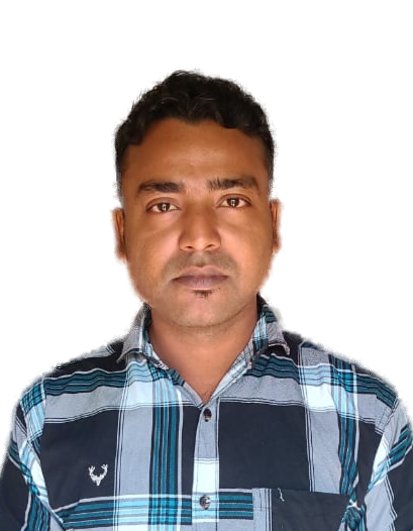
Convert Smartphone Portraits to Official Biometric Passport Dimensions
Applying for an international passport, student visa, national identity card, or driving license requires strict adherence to standardized biometric photo dimensions. In most countries across Europe, the Commonwealth, and Asia, official standards demand a 35mm by 45mm portrait where the applicant's face occupies between 70% and 80% of the vertical frame. Submitting improperly cropped smartphone photos leads to immediate rejection by visa processing centers.
With ToolMela, you can resize image to passport size online in seconds without visiting an expensive commercial photography studio. The tool is pre-calibrated to 413 by 531 pixels (the exact digital equivalent of 35x45mm at 300 DPI print density). If your portal also enforces a tight file size limit, explore our Convert Photo to Passport Size and 20KB tool or use our Passport Photo Maker for background replacement.
Process up to 10 portrait photos simultaneously across JPEG, PNG, WebP, and AVIF formats. Use our interactive framing modal to position your eyes, chin, and crown of head squarely within official biometric safe guidelines before final export.
Why Use Our RESIZE IMAGE TO PASSPORT SIZE Tool
Pre-calibrated to 413x531 pixels at 300 DPI, matching official international biometric passport guidelines.
Maintains exact 7:9 portrait proportions so facial features remain uncompressed and natural.
Center your nose and eyes while ensuring the head occupies 70%–80% of vertical height.
Prepare passport photos for your entire family simultaneously in a single session.
Outputs high-density files ready for printing on standard 4x6 inch photo paper sheets.
All photo processing executes in your browser; your sensitive identification portraits are never stored remotely.
How to Resize image to passport size Step by Step
Select a well-lit portrait photo taken straight-on against a plain light background.
Width defaults to 413 pixels and Height to 531 pixels (35x45mm at 300 DPI).
Click Crop to position the frame so your head is centered and occupies approximately 75% of the frame.
Click Resize Image to resample the portrait to exact passport specifications.
Check the generated card to verify clarity, lighting balance, and eye-level positioning.
Save your ready-to-upload passport photo directly to your device.
Technical Processing Breakdown
A 413x531 pixel grid yields 219,303 pixels, delivering 300 DPI physical print density for a 35x45mm photo.
Ensure distance from the bottom of your chin to the top of your hair occupies between 32mm and 36mm.
Encodes images with standard sRGB color space for consistent reproduction across digital monitors and photo printers.
Outputs clean JPEG or PNG files ready for submission to embassy and passport portals.
Best Practices and Expert Tips
- Look straight into the camera lens with a neutral facial expression and both ears visible.
- Take your photo in front of a plain white or light off-white background with no harsh shadows.
- Remove hats, dark sunglasses, or tinted lenses; prescription glasses must not cause glare over eyes.
- Ensure even lighting on both sides of the face to prevent dark shadows under the chin or nose.
- Use our Convert Photo to Passport Size and 20KB tool if applying for portals with strict byte ceilings.